Skip to content Skip to footer

Top 10 Yoga Poses & Exercises for Beginners

Health is wealth is a well-known saying. Everybody wishes to be healthy and fit, worshipping their body like a temple. However, starting your wellness journey with yoga exercises for beginners can be an overwhelming process. We are often left wondering, ‘Where do I even begin?’ as there are hundreds of yoga poses, styles, and online classes available. In the hustle and bustle of life, finding the time to attend yoga classes and practice a comprehensive fitness regimen can be difficult. 

10 Best Yoga Exercises for Beginners

Even if you are a beginner, you don’t need extreme flexibility, expensive gear, or prior experience to start practising yoga. You can do yoga exercises at home, and all you need is consistency, proper guidance, and awareness of your body’s limits. For your convenience, we have curated a yoga guide for beginners that includes the best foundational yoga poses, a simple 20-minute yoga routine, and essential safety tips to help you establish a sustainable daily practice. Here are some of the most effective beginner yoga poses that promote strength, flexibility and posture awareness as well as encouraging a sense of mental calm.

Understanding Yoga Pose Categories

While many beginner routines are available online, selecting the right poses for your specific physical needs is essential for a safe practice. Understanding these foundational categories will help you structure a balanced and safe progression in your daily routine.

CategoryPrimary BenefitKey Poses
StandingStrength & GroundingMountain, Warrior I
SeatedFlexibility & CalmSeated Forward Fold
BackbendsPosture & Chest OpeningCobra, Bridge Pose
BalancingStability & FocusTree Pose
RestorativeRelaxation & RecoveryChild’s Pose, Savasana

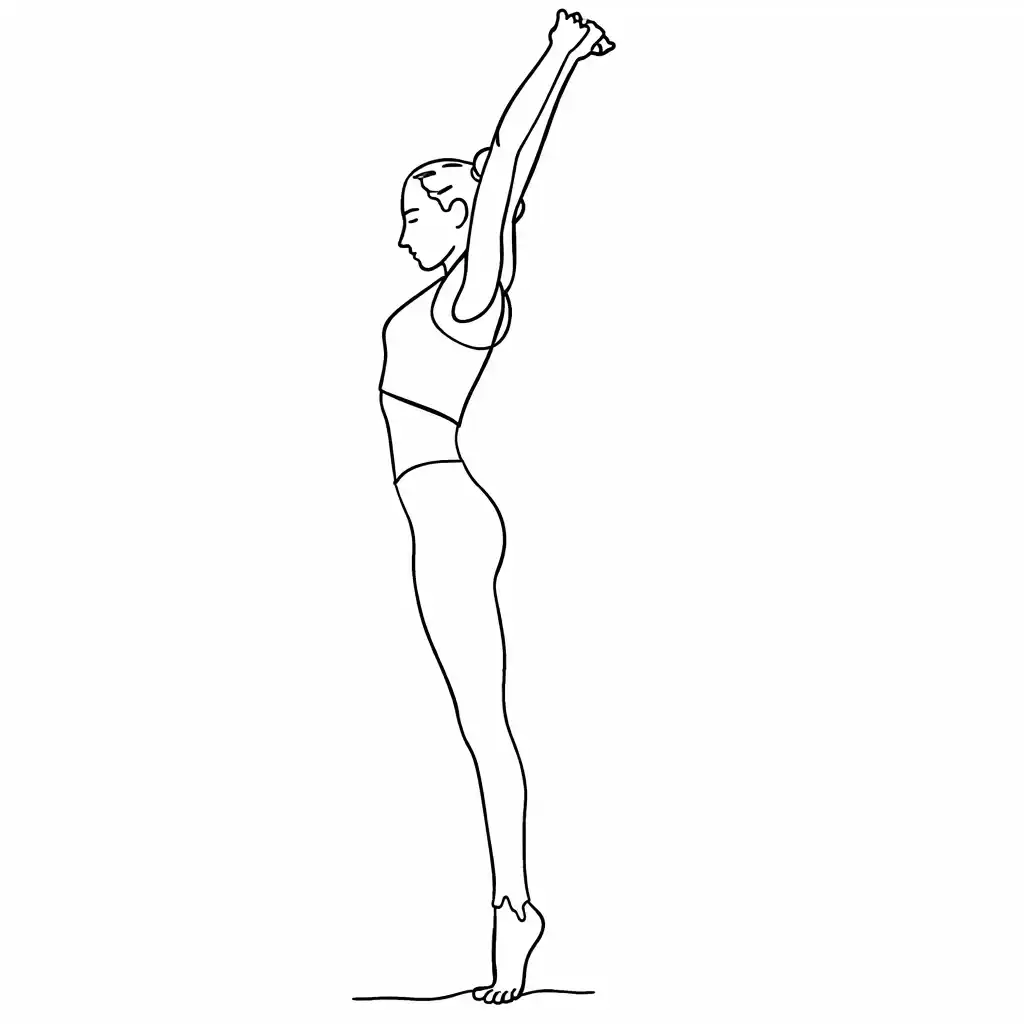
1. Mountain Pose (Tadasana)

mountain pose

Downward Facing Dog is one of the most recognised yoga exercises for beginners. This pose stretches the entire body and promotes flexibility. Start by standing on your hands and knees, and then lift your hips upward, forming an inverted V. Ensure that your palms are pressed firmly into the mat, knees slightly bent if needed, and keep your spine long.

Benefits: Stretches hamstrings and calves, strengthens shoulders, supports circulation, and relieves mild back tension

Beginner Tip: Keep your knees bent to protect your lower back and avoid collapsing into your shoulders. If you have uncontrolled high blood pressure or have had a recent wrist injury, do not practice this yoga pose without medical advice.
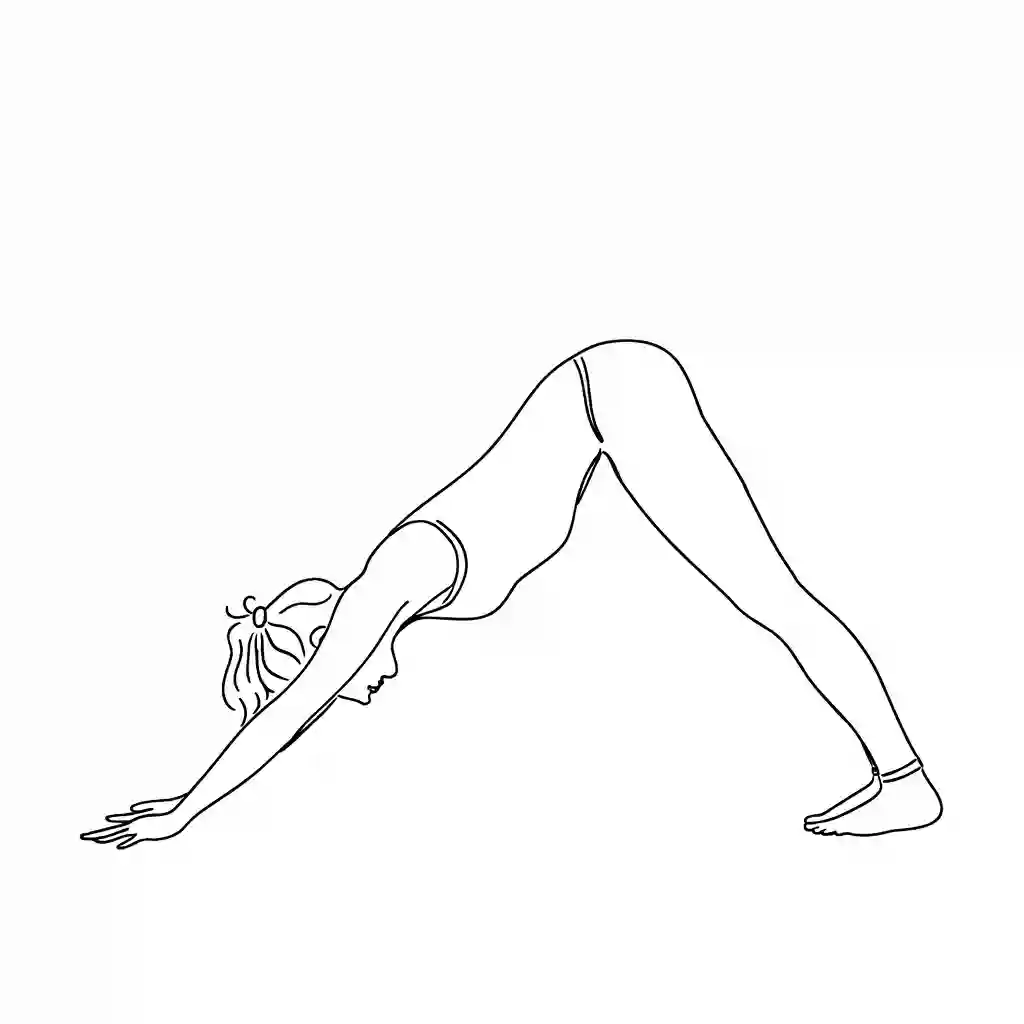
2. Downward Facing Dog (Adho Mukha Svanasana)

Downward Facing Dog Pose

Downward Facing Dog is one of the most recognised yoga exercises for beginners. This pose stretches the entire body and promotes flexibility. Start by standing on your hands and knees, and then lift your hips upward, forming an inverted V. Ensure that your palms are pressed firmly into the mat, knees slightly bent if needed, and keep your spine long.

Benefits: Stretches hamstrings and calves, strengthens shoulders, boosts circulation, and relieves mild back tension

Beginner Tip: Keep your knees bent to protect your lower back and avoid collapsing into your shoulders. If you have uncontrolled high blood pressure or have had a recent wrist injury, do not practice this yoga pose without medical advice.
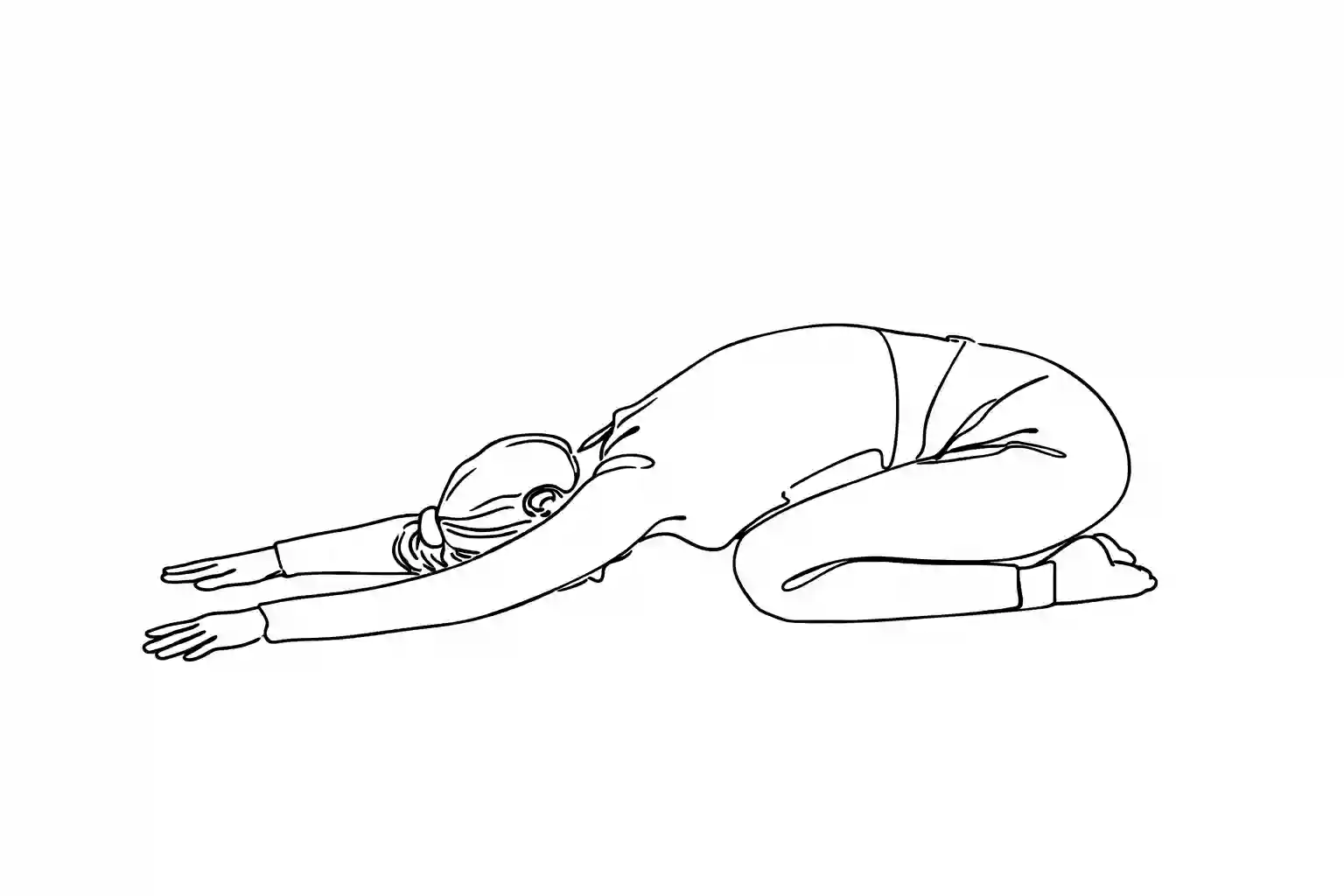
3. Child’s Pose (Balasana)

Child's Pose (Balasana)

Child’s pose is an ideal yoga pose for beginners. It helps in the restoration and relaxation of your body. To perform this asana, you need to kneel on a mat and sit back on your heels. Folding your torso forward, rest your forehead on the mat.

Benefits: Calms the nervous system, relieves lower back tension, and encourages deep breathing.

Beginner Tip: If your knees feel tight, you can place a pillow under your hips. If you have a severe knee injury, avoid practising this yoga pose at home without a doctor’s advice.
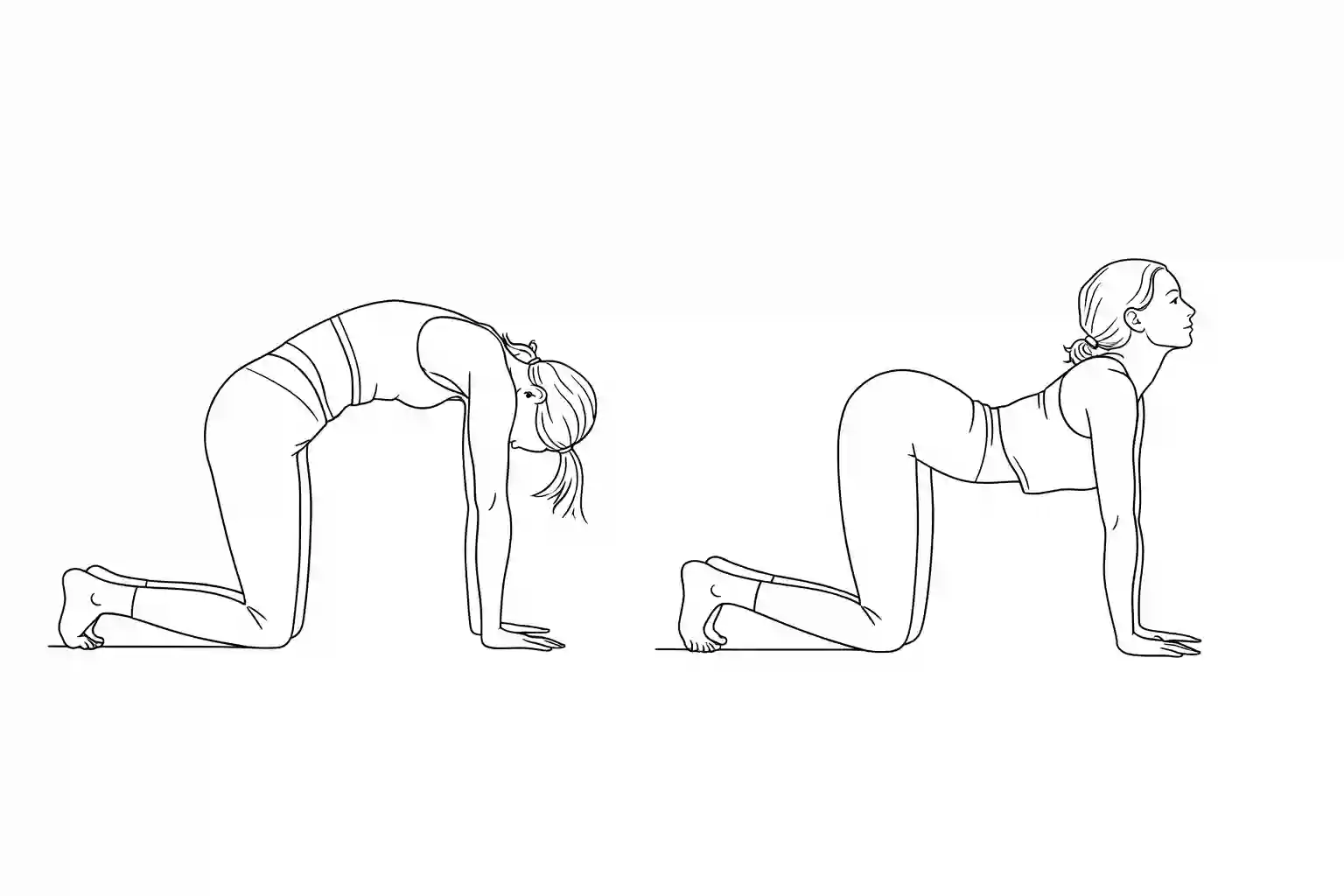
4. Cat-Cow Stretch (Marjaryasana–Bitilasana)

Cat-Cow Pose

The cat-cow stretch is considered a gentle spinal warm-up, a perfect yoga pose for every simple yoga routine for beginners. Start by standing on your hands and knees on the ground like a cow or a cat. Arch back like a cow and inhale deeply, then exhale while rounding your spine like a cat. Repeat this exercise for 8–10 rounds.

Benefits: Improves spinal mobility, relieves stiffness, and supports posture improvement

Beginner Tip: Move your body while focusing on your breath. Avoid deep rounding of your spine without professional guidance if you have disc issues.
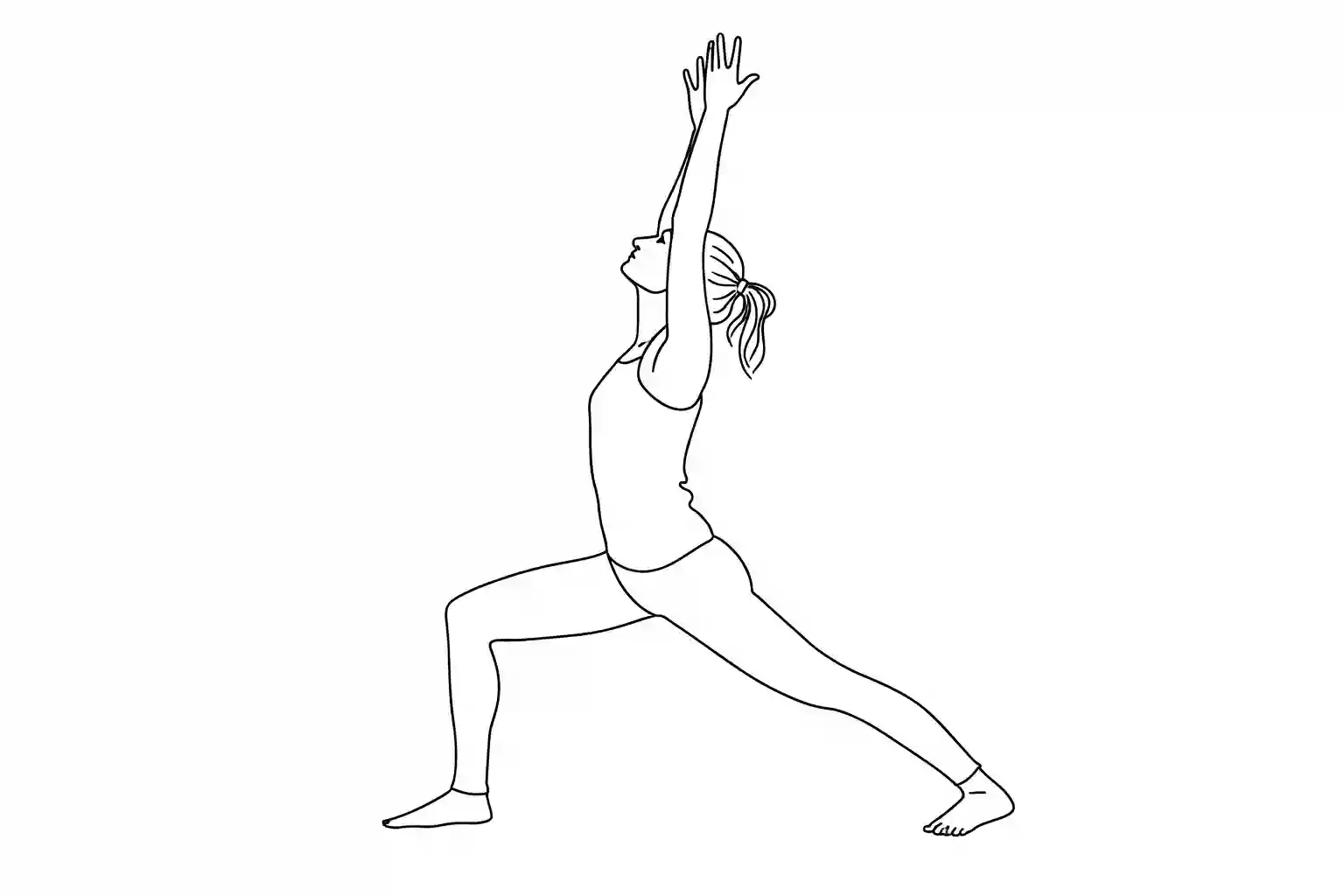
5. Warrior I (Virabhadrasana I)

Warrior I (Virabhadrasana I) Pose

Warrior I is a powerful standing yoga pose that helps in building strength and stability. First, you need to step one foot back and bend the front knee up to 90 degrees. Then lift your arms overhead, squaring your hips forward.

Benefits: Strengthens legs, improves focus, and opens chest and hips.

Beginner Tip: Your knee should be aligned over your ankle at all times. Also, you should avoid performing this yoga pose if you are experiencing acute knee pain.
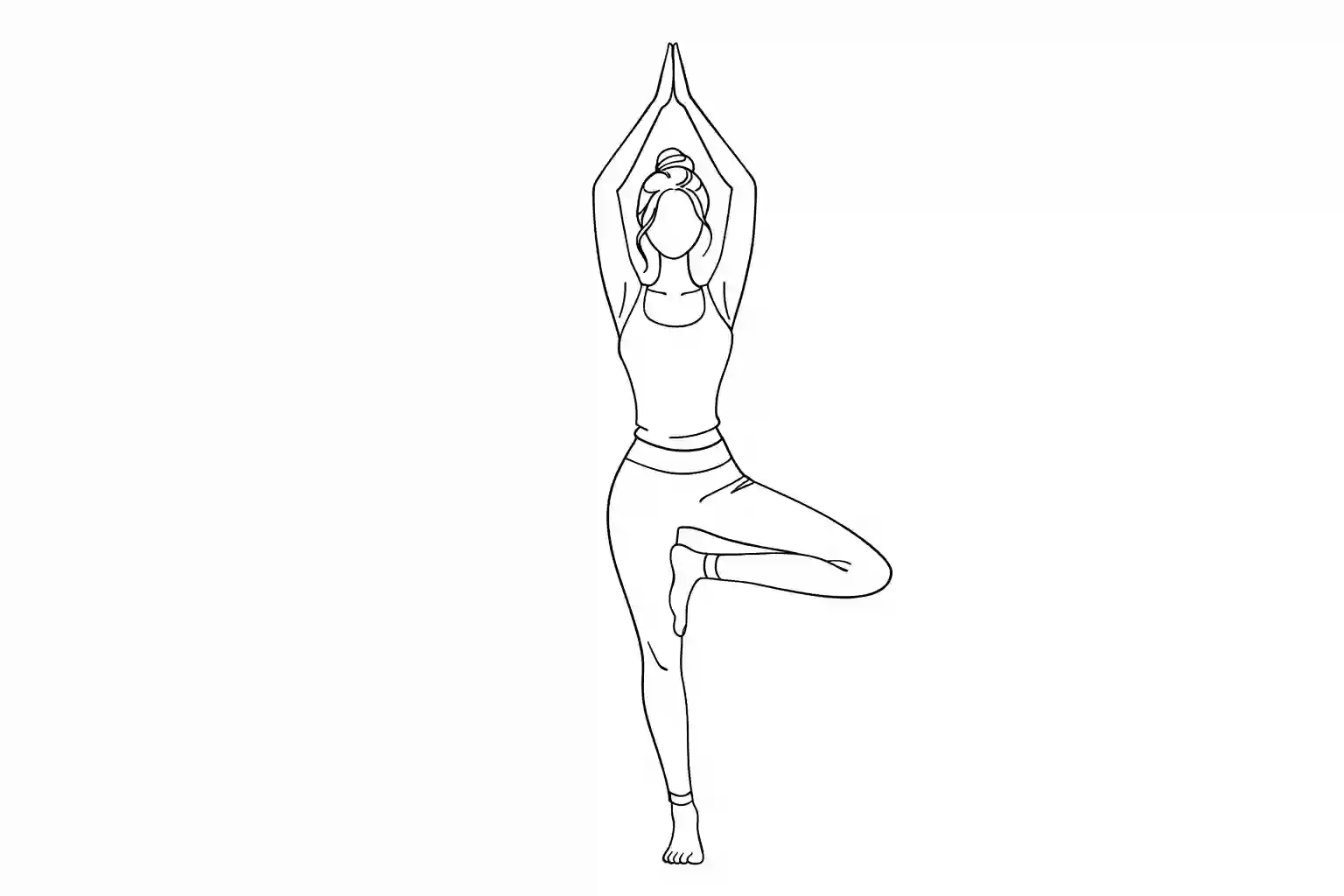
6. Tree Pose (Vrikshasana)

Tree Pose

Tree pose is a foundational balancing yoga pose for beginners which helps in improving stability and focus. Stand straight and, while maintaining your balance, place one foot on your inner calf or thigh. Bring your palms together at your chest and focus your attention on a fixed point.

Benefits: Enhances balance, strengthens ankles, and improves concentration

Beginner Tip: You should avoid placing your foot on the knee joint as it might disbalance your body. In the beginning, you should try to practice near a wall for support.
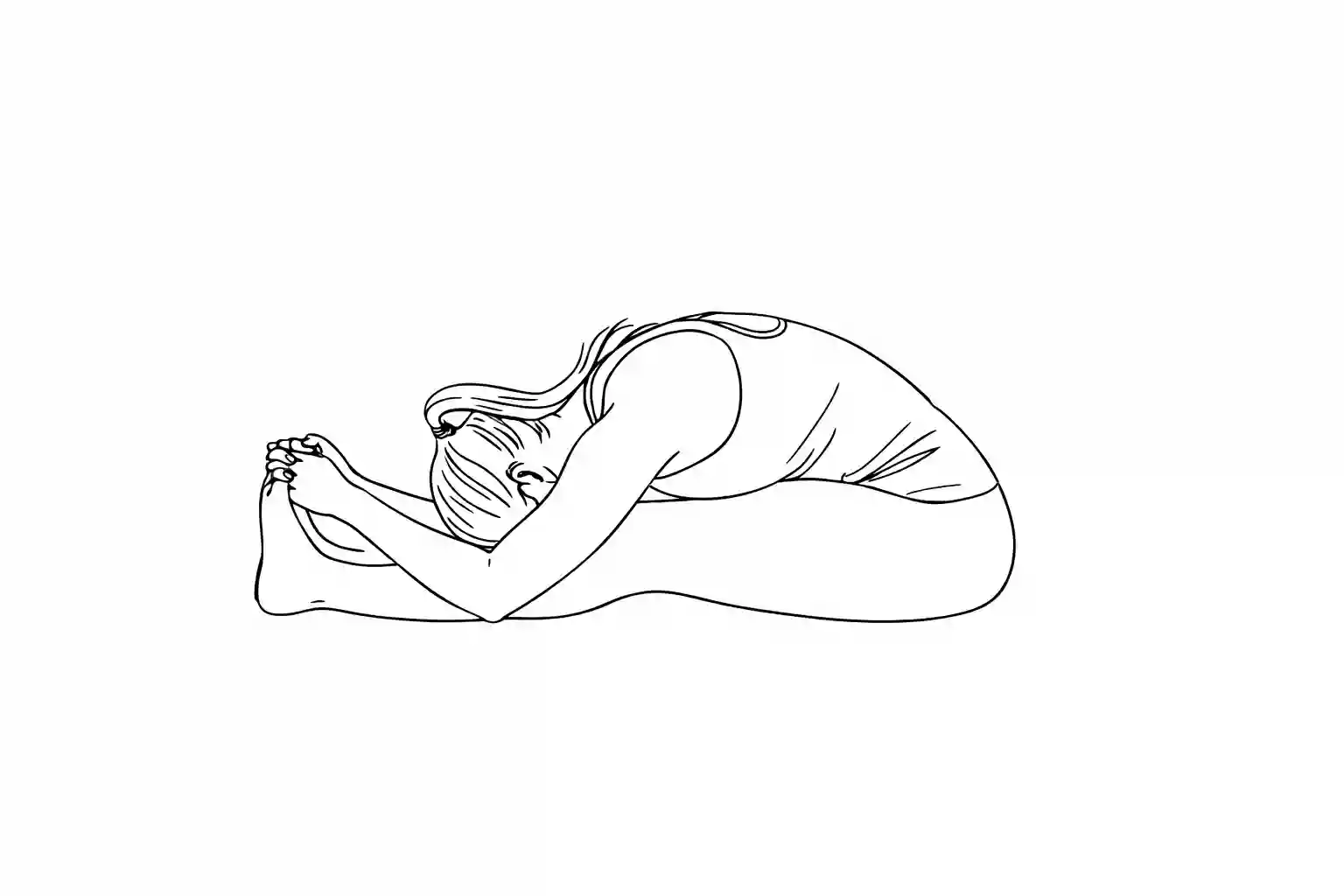
7. Seated Forward Fold (Paschimottanasana)

Seated Forward Bend Pose

Seated Forward Fold is the perfect yoga for posture correction when done with proper alignment. It includes a gentle seated stretch for flexibility that supports spinal health. Extend your legs and sit comfortably. Then, lengthen the spine and inhale deeply, followed by an exhale, and fold forward. Hold this asana for 5–8 breaths

Benefits: Stretches hamstrings, calms the mind, and may support aids digestion

Beginner Tip: In the beginning, you can bend your knees slightly for more comfort. Avoid bouncing movements while performing this yoga pose.
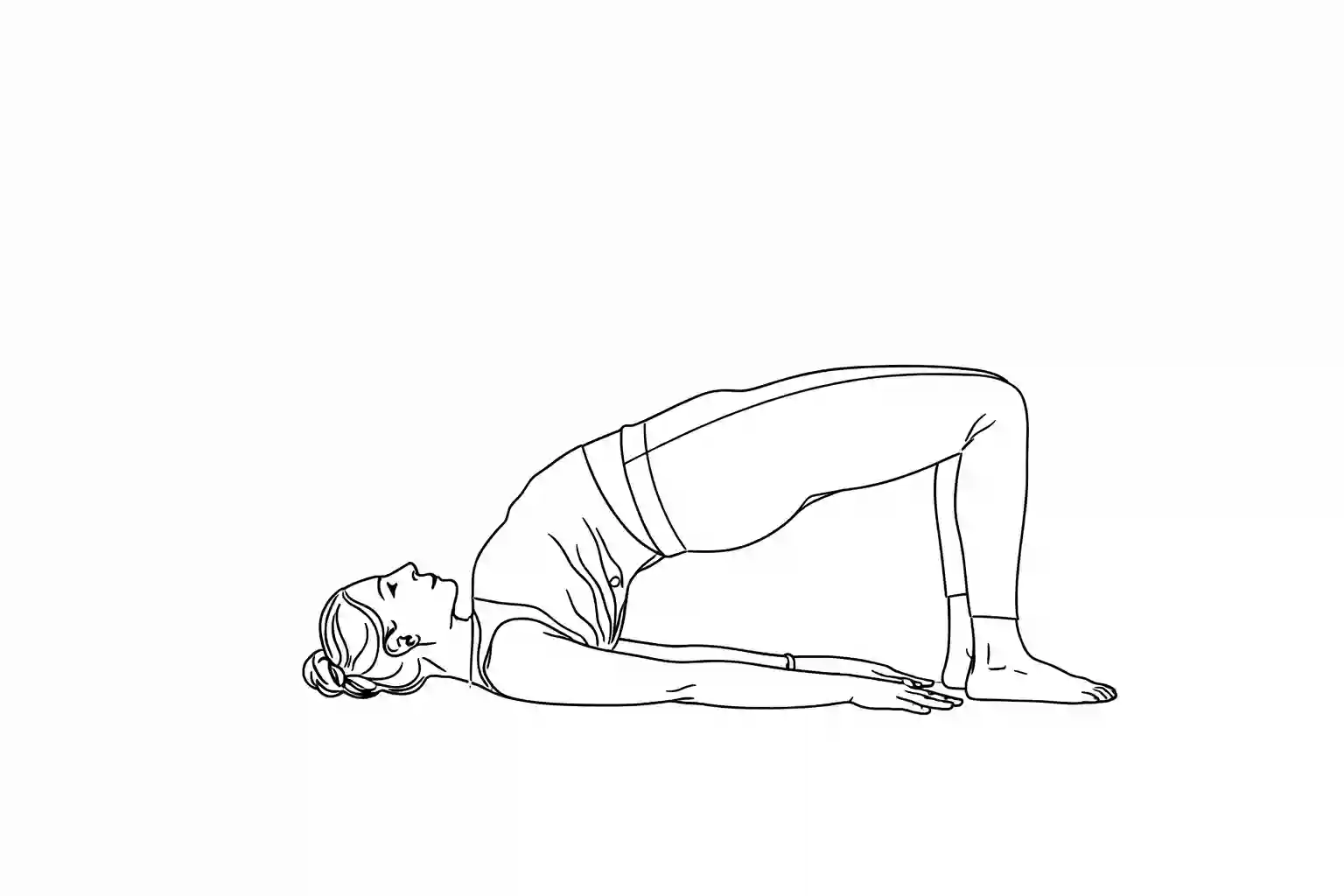
8. Bridge Pose (Setu Bandhasana)

Bridge Pose (Setu Bandha)

Bridge Pose is a safe and beginner-friendly backbend which is beneficial for improving body posture. First, lie down on your back, bend your knees, and place your feet hip-width apart. Lift your hips upward slowly. Hold this pose for 5 breaths.

Benefits: Strengthens glutes, opens chest, and supports posture correction

Beginner Tip: Avoid turning the head while it is lifted during the stretch. You should skip performing this yoga pose if you have a recent neck injury.
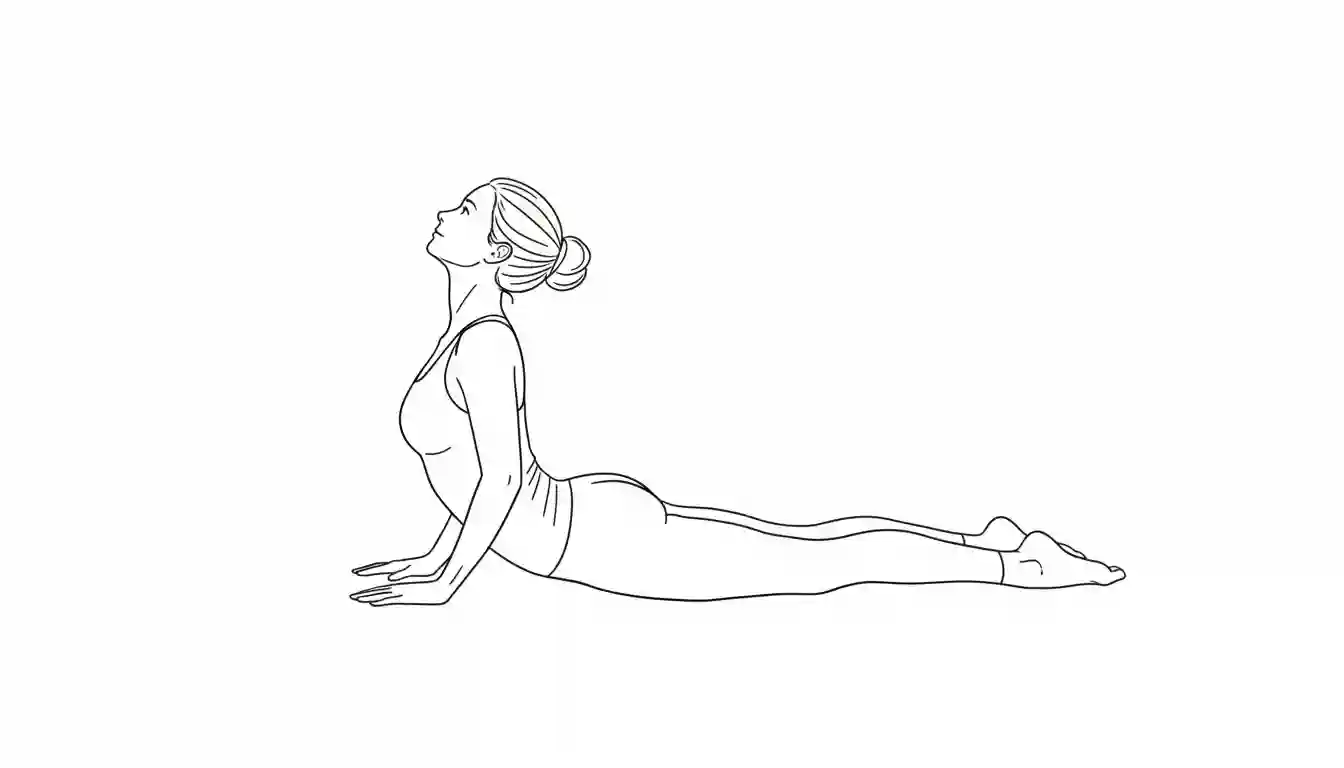
9. Cobra Pose (Bhujangasana)

Cobra Pose (Bhujangasana)

Cobra pose is a mild backbend yoga pose that helps in energising the body. Lie flat on your stomach and place your palms under your shoulders. Pressing lightly, lift your chest and keep your elbows soft.

Benefits: Strengthens the back, increases chest expansion, and improves posture

Beginner Tip: Do not overextend your body while performing this yoga pose. However, you should avoid doing it if you have a hernia or recent abdominal surgery.
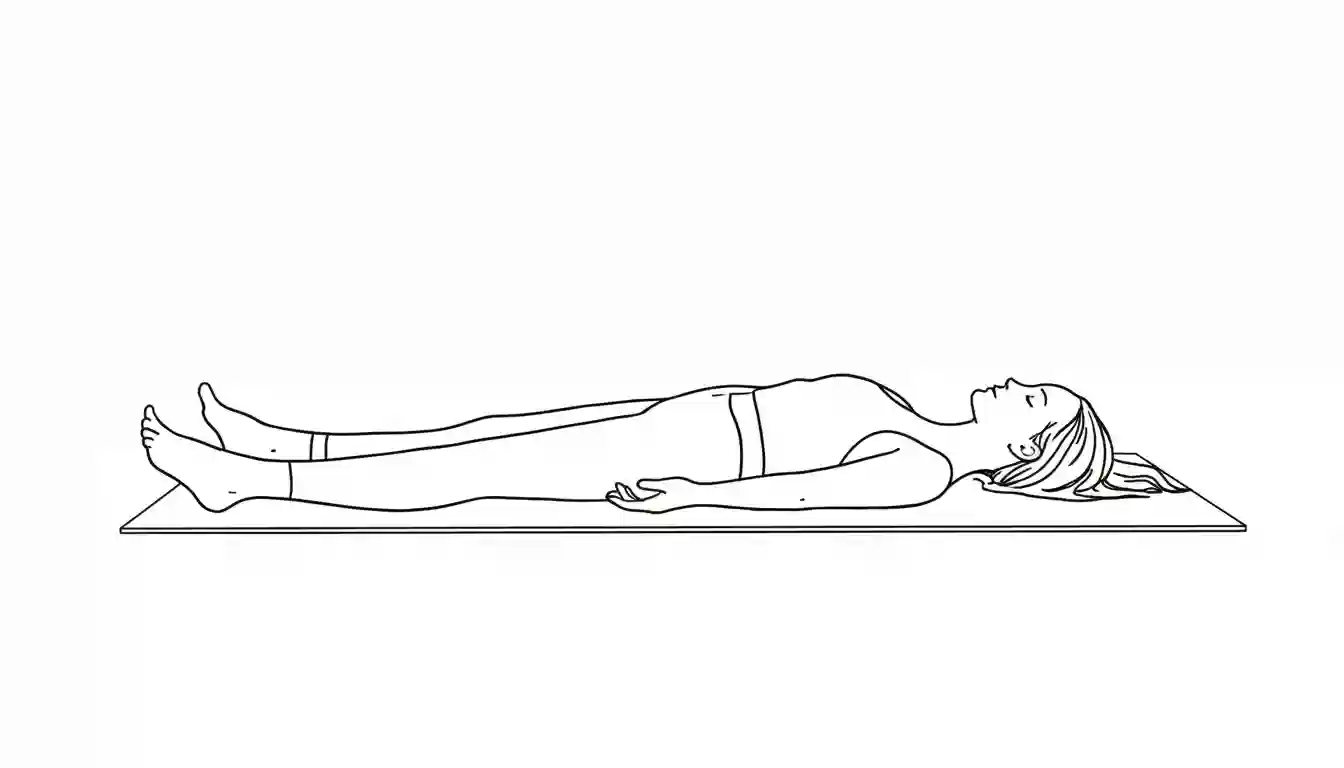
10. Corpse Pose (Savasana)

Savasana Yoga Pose

Corpse Pose is one of the most important restorative poses in any daily yoga practice for beginners. Simply, lie flat on your back, relax your arms and legs and close your eyes. Focus on natural breathing and relieve your stress.

Benefits: Helps manage stress and supports better sleep

Beginner Tip: Stay in this position for at least 5 minutes and use a blanket if you feel cold.
Why Yoga Is Perfect for Beginners

Numerous studies into physical therapy suggest that consistent yoga practice can significantly support better sleep quality, help manage daily stress, and improve functional posture. Following a well-structured beginner yoga guide helps you focus on breath awareness, body awareness, and gradual progression. Beginners can perform yoga for flexibility rather than going for high-impact workouts. The best part is that home yoga practice requires minimal equipment, saving a lot of money and time. Just grab a mat and sit in a quiet space, and start practising yoga for beginners.

Key Benefits of Yoga Exercises for Beginners​

Yoga benefits the physical body and calms the soul. While the breath control yoga poses helps in managing stress responses. Practising yoga on a daily basis improves flexibility and mobility, builds bodyweight strength, enhances balance and posture, supports better sleep, and reduces anxiety and mental fatigue.

You can take the help of a beginner yoga guide to practice on your own at home. Firstly, understand the purpose of performing yoga and then opt for yoga for flexibility, yoga for stress relief, yoga for sleep or any other yoga poses for beginners. Doing home yoga practice every day will help you gain many benefits.

Simple 20-Minute Beginner Yoga Routine

This balanced sequence is designed to enhance strength, flexibility, and postural alignment. Follow these timings as a general guide, but always adjust based on your current comfort levels.

PoseDurationPrimary Focus
Mountain Pose2 MinutesEstablishing neutral alignment and breath.
Cat-Cow Stretch2 MinutesMobilizing the spine and warming the core.
Downward Dog2 MinutesFull-body lengthening and circulation.
Warrior I4 Minutes (Total)Building lower-body stability (2 min per side).
Tree Pose3 Minutes (Total)Improving balance and concentration (1.5 min per side).
Seated Forward Fold3 MinutesCalming the nervous system and hip flexibility.
Bridge Pose2 MinutesStrengthening the back and opening the chest.
Savasana4 MinutesFacilitating deep relaxation and recovery.

Tips for Starting a Home Yoga Practice Safely

A sustainable yoga practice relies on the physiological principle of gradual progression. Prioritizing consistent, low-intensity movement over sporadic, high-intensity exertion significantly reduces the risk of soft-tissue injury and joint strain.  Safe yoga practice ensures long-term sustainability. Remember to warm up before deeper stretches, avoid pushing yourself too much, and use props like blocks or cushions, if needed. However, if you are pregnant, hypertensive, or recovering from surgery, you should always consult a healthcare provider. You should stop immediately if you feel dizziness, chest pain, or numbness. If you wish to build consistency, you should practice at the same time daily. Rather than pushing yourself, you should start with 10–20 minutes of yoga sessions and track your progress weekly.

Frequently Asked Questions (FAQs)

1. What are common yoga mistakes to avoid?
Common mistakes include holding your breath, pushing too hard, and comparing yourself to others. Poor alignment and skipping warm-ups can also lead to discomfort or injury.

2. How should you breathe when doing yoga?
Breathe slowly and deeply through your nose unless instructed otherwise. Try to match your breath with your movements—inhale as you open or lift, exhale as you fold or twist.

3. Is 20 minutes of yoga a day enough?
Yes, 20 minutes a day is enough to see benefits if you stay consistent. Even short daily sessions can improve flexibility, strength, and reduce stress over time.

4. Can yoga reduce back pain?
Yes, yoga can help reduce back pain by strengthening core muscles and improving posture. Gentle styles and proper form are especially helpful for people with back issues.

5. How long until I see results from yoga?
You may feel more relaxed after your first session. Physical improvements like flexibility and strength usually become noticeable after 3–6 weeks of regular practice.

6. What is the correct sequence of yoga?
A good sequence usually starts with gentle warm-ups, moves into standing poses, then balances or deeper stretches, and ends with relaxation like Savasana. This helps your body warm up safely and cool down properly.

7. What are the signs that yoga is working?
You may notice better flexibility, improved balance, and less stress. Better sleep and fewer body aches are also common signs.

8. What should be avoided immediately after doing yoga?
Avoid heavy meals, intense workouts, or jumping straight into stressful activities. Give your body a few minutes to rest and hydrate.

9. What is the best time of day to do yoga?
Morning yoga helps wake up your body and focus your mind for the day. Evening yoga is great for relaxing and releasing stress—choose what fits your schedule best.

10. What are the 4 basic yoga poses for beginners?
Four beginner-friendly poses include Mountain Pose, Downward-Facing Dog, Child’s Pose, and Warrior I. These poses build strength, balance, and flexibility safely.


Final Words

Yoga is not just about touching your toes and stretching your body; it is much more than that. Following the right yoga routine helps to improve posture, calm breathing, supports better sleep, and increase flexibility. When you make these beginner exercises a part of your daily life, you’ll start to feel your body getting more flexible and your mind feeling calmer as you go. To get the best results safely, remember to be patient with yourself, focus on keeping your body in the right position, and always listen to what your body is telling you.

Why you should choose Mahamukti Yoga Retreat in Bali?

At Mahamukti Yoga Retreat, yoga is not just a physical workout but a practice integrating body, mind, spirit, and breathwork. The teachings here are rooted in traditional wisdom while also being accessible. It doesn’t matter if you’re a newbie to yoga or a perfectionist; they help everybody. Talking about the atmosphere here, it’s calm yet very alive. 

Mahamukti Yoga Retreat keeps you closer to nature and allows you to be you, not to pretend, not to rush anything or anywhere, not to compete, just be present. The place also gives importance to the philosophies of yoga that help their students to learn yoga on a deeper level. You can learn self-discovery, compassion, detachment, and conscious living while performing your daily practices here. The open space, fresh air, and lush green trees would help in making your every session feel more internally nourishing. 

This Yoga Kendra isn’t about an escape from your life but learning about to live your daily life while being self-conscious and connected to yourself. This would teach you about what your purpose in life is, and you will establish a deeper connection with yourself.

Leave a comment